
Introduction
Changes in the world of technology have impacted every aspect of our lives. Especially when it
comes to the home, ‘Smart Homes’ and ‘IoT’ (Internet of Things) have taken the home to a new
dimension. Our homes are no longer just four-walled structures; they have become smart systems
that make our lives easier, safer, and more advanced. In this blog, we will explore in detail what
smart homes are, how they can be installed, their security measures, and where these
technologies will take us in the future.
•Introduction to Smart Homes and IoT
1 What are Smart Homes?
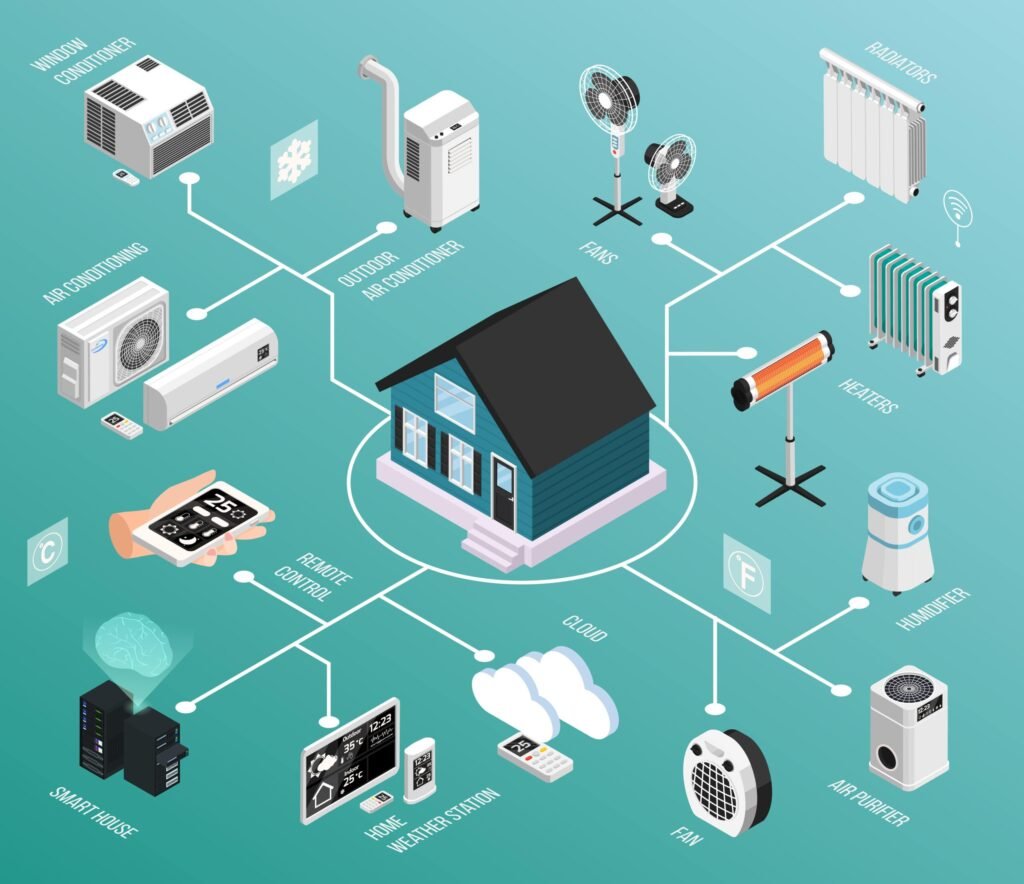
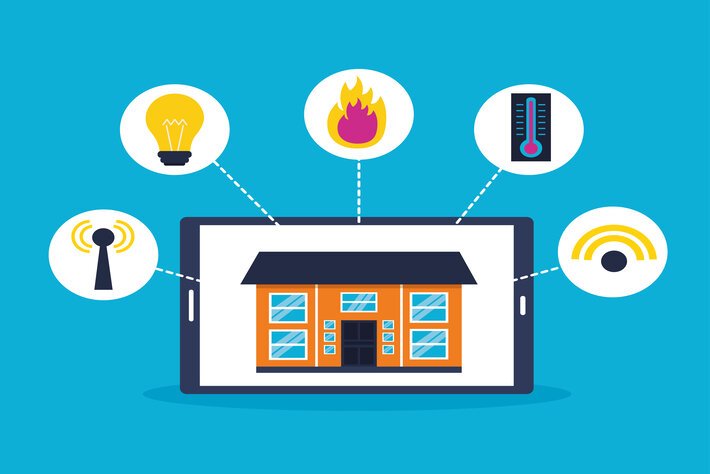
Smart homes refer to homes where technological devices are connected to the internet and
controlled by a central system. These devices are controlled via smartphones, tablets, or voice
assistants like Amazon Alexa, Google Assistant, and others. The key benefits of smart homes
include convenience, energy savings, increased security, and a better lifestyle.
•Importance of IoT
IoT, or the Internet of Things, is a networking concept in which various devices connect and
communicate with each other via the internet. This technology is being widely used not only in
smart homes but also in healthcare, industry, agriculture, transportation, and education. The role
of IoT in smart homes is particularly important because it enables the coordination and
automation of devices.
•Key Devices for Smart Homes
1 Smart Lighting Systems
Smart lighting systems allow you to control your home’s lights from anywhere. They allow you
to set the brightness, color, and timing of the lights. https://www.philips-hue.com/en-us For
example, companies like Philips Hue and Wipro Smart LED Bulbs offer excellent solutions. This
not only increases convenience but also helps save energy.
2 Smart Thermostats
Smart thermostats allow you to control your home’s temperature via your smartphone.
https://store.google.com/us/product/nest_thermostat
Devices like the Nest Thermostat and Honeywell Lyric are popular in this area. These devices
automatically adjust the home’s temperature, ensuring energy savings.
3 Smart Security Systems
Smart security cameras, smart locks, and smart alarm systems take home security to a new level.
https://ring.com/ Companies like Ring, Arlo, and Google Nest Cam make smart cameras that
offer features like live video streaming, motion detection, and alert systems via mobile apps.
Smart locks allow you to lock and unlock your home’s doors without a key, simply with an app
or biometric scan.
4 Smart Kitchen Devices
Smart refrigerators, smart microwaves, and smart washing machines have revolutionized kitchen
and household chores. Companies like Samsung and LG have launched IoT-enabled smart
refrigerators that offer features like stock level monitoring, smart recipe suggestions, and remote
control. Additionally, smart washing machines allow you to control the washing cycle even when
you’re away from home. https://www.samsung.com/in/refrigerators/smart-refrigerators/
5 Voice Assistant Devices
Voice assistant devices like Amazon Alexa, Google Home, and Apple Siri have become a
popular part of smart homes. These devices not only control lights, music, and temperature at
your command, but also offer features like calendar management, setting reminders, and internet
searches.
• Smart Home Installation Process
Analyzing Home Needs
Before setting up a smart home, it’s important to understand what devices you need. For
example, whether to focus on security or energy efficiency. To do this, create a list that includes
the smart devices needed for each room in your
home.https://www.iotforall.com/iot-protocols-complete-guide
The Importance of Internet Connectivity
Smart homes rely heavily on the internet. Therefore, high-speed broadband internet is essential.
Ensure the proper location and quality of the Wi-Fi router so that the connection works smoothly
throughout the home.
Device Selection
Select devices from various brands and models that best suit your budget and needs. It’s best to
choose devices based on standard protocols, such as Zigbee, Z-Wave, or Bluetooth. This ensures
seamless connectivity between devices.
Installation and Setup
Follow the manufacturer’s instructions for installing the devices. Each smart device typically has
its own mobile app, which can be installed and connected. For example, setting up Amazon
Alexa requires using the Alexa app. Test each device to ensure proper connectivity and
operation.
• Security Measures for Smart Homes
Password Management
Setting strong and unique passwords is essential to keeping smart home devices secure. Change
the default password promptly and update it regularly. Additionally, using two-factor
authentication (2FA) provides additional security.
https://www.wi-fi.org/discover-wi-fi/security
Network Security
To keep smart home data safe, it’s essential to secure the Wi-Fi network with WPA3 encryption.
Also, create a separate network for external users using a guest network to ensure the main
network remains secure.
Firmware Updates
Firmware updates are released periodically for all smart devices. These updates are essential to
protect against new security threats. Choose to set automatic updates so that security features
remain up-to-date.
Antivirus and Anti-Malware
Use protective antivirus and anti-malware software on your smart home network. Some smart
home hubs come with built-in security features that help monitor and prevent suspicious activity.
Benefits of Smart Homes
Energy Savings
Smart home devices control energy consumption. For example, smart thermostats automatically
adjust the temperature to prevent unnecessary energy consumption. Smart lighting systems,
based on sensors, automatically turn lights on and off, saving electricity.
Convenience and Control
Smart homes make it possible to control every aspect of the home with an app or voice
command. This gives users control and monitoring of every activity in their home, whether they
are at home or away.
https://www.energy.gov/energysaver/home-energy-management-systems
Enhanced Security
Smart security devices make home security stronger than ever. Live video feeds, motion
detection, and real-time alerts help monitor activities inside and outside the home. Smart locks
and alarm systems can prevent unauthorized entry.
Improving Quality of Life
Smart homes are not only a use of technology, but they also simplify and make our lifestyles
more comfortable. Listening to your favorite songs from the comfort of your home, setting the
temperature to your convenience, or remotely controlling kitchen appliances all contribute to
improved quality of life.
•Future Technology and Smart Homes
Integration of Artificial Intelligence (AI)
In the future, smart homes will see greater use of artificial intelligence. Through AI, devices will
understand their user’s habits and make automatic decisions without human intervention. For
example, an AI-based thermostat will adjust the temperature based on your home’s coming and
going habits.
Energy Management and Grid Integration
https://www.iotworldtoday.com/what-is-energy-harvesting-iot/
In the future, smart homes will not only conserve energy but also interact with the grid system.
Energy will be managed and tracked through smart metering systems. When energy demand is
low, smart homes will be able to send excess energy back to the grid. This is expected to
revolutionize the energy sector.
Expansion of Interconnected Devices
The network of IoT devices will expand, allowing each device to communicate with each other
in a more intelligent way. For example, your smart refrigerator will tell your smart kitchen what
items are needed and automatically order refills. Additionally, health information will be sent to
the home doctor in real time.
Innovations in Security
As smart homes and IoT expand, security measures will become more sophisticated. Using
blockchain technology, the authentication process for devices will be made more secure. This
will significantly reduce incidents of data theft and hacking.
•The Importance of Data Privacy in Smart Homes
Smart homes generate millions of data points. These data relate to user habits, home temperature,
energy consumption, video feeds from security cameras, and device usage. The secure storage
and proper use of this sophisticated data is crucial. Users should only choose devices from
trusted brands that clearly state their data privacy policies.
https://us.norton.com/internetsecurity-privacy-what-is-encryption.html
Additionally, the use of data encryption technology helps protect data from unauthorized access.
For example, SSL/TLS encryption should be implemented during data transmission to prevent
third parties from accessing or hacking data. Users are also advised to periodically review the
privacy settings of their devices and disable unnecessary data sharing features.
•Ethics and Responsibility in Smart Homes
With the growing influence of smart home technology, the question of ethics and responsibility
also becomes important. The data collected from IoT devices not only raises questions about user
privacy but also poses the potential for misuse. For example, camera devices can be hijacked by
third parties, potentially leading to surveillance of a user’s personal activities. Therefore,
manufacturers have a duty to provide clear privacy policies and inform users about how their
data is being stored and used.
Users also have a responsibility to use smart devices wisely. Disconnecting unnecessary
connections to devices, updating software, and strengthening authentication should be every
user’s responsibility.
•Energy Management Innovations in Smart Homes
Future smart home technology is bringing major innovations in energy management. Now, not
just energy savings, but also active energy management and reuse (energy harvesting) is
becoming possible. For example, energy generated from solar panels can be monitored through
smart meters and dynamically distributed to home appliances as needed.
Additionally, through grid interaction, smart homes not only meet energy needs but can also send
excess energy back to the grid. Smart energy management systems use machine learning
algorithms to analyze energy consumption patterns and suggest optimizations. This not only
saves energy but also helps protect the environment.
•Health Monitoring Systems in Smart Homes
Future smart home technology is also poised to revolutionize healthcare. Smart homes are now
being integrated with health monitoring
devices.https://www.fda.gov/medical-devices/digital-health-center-excellence
These devices
monitor a user’s health status, such as heart rate, blood pressure, and sugar levels.
Smart wearable devices, such as smart watches and fitness bands, connect input data to the
home’s main smart hub. This data can be sent to doctors or healthcare providers in real-time,
enabling timely treatment. In the future, AI-based health analytics systems will analyze health
data and issue warnings for potential illnesses. For example, if your blood pressure is irregular,
the system will immediately alert the user and notify the doctor.
• Entertainment and Communication Systems in Smart Homes
Smart homes are now also providing smart entertainment. The inclusion of smart TVs, voice
assistants, and home theater systems provides a comfortable and interactive entertainment
experience at home. Voice commands make it possible to control OTT platforms like Netflix and
Amazon Prime. Additionally, multi-room audio systems allow for different music setups in each
room.
Smart intercom systems make it easier to communicate within the home via voice or video calls.
For example, room-to-room video calls are possible through the Google Nest Hub. This also
helps protect the elderly and young children.
• The Role of Automation in Smart Homes
Smart home automation systems can fully automate the operation of various devices by
connecting them together. For example, motion sensors automatically turn lights on and off,
smart thermostats automatically adjust the temperature, and smart locks unlock and lock doors.
https://ifttt.com/
This automation not only saves energy but also saves time for the user. Application services like
IFTTT (If This Then That) are making interconnection between various devices easier. For
example, if your smart camera detects movement, smart lights will automatically turn on and analarm will sound. Such automation ensures both security and convenience.
• Contribution of Cloud Computing to Smart Homes
With the help of cloud computing, data storage, processing, and analytics in smart homes have
become extremely simple and affordable. All smart devices connect to cloud servers, giving
users the option to access data from anywhere via a mobile application or web
portal.https://aws.amazon.com/iot-core/
This automation not only saves energy but also saves time for the user. Application services like
IFTTT (If This Then That) are making interconnection between various devices easier. For
example, if your smart camera detects movement, smart lights will automatically turn on and an
alarm will sound. Such automation ensures both security and convenienc
Conclusion
Smart homes and IoT technology have transformed homes from mere living spaces into hubs of
cutting-edge technology. This not only provides comfort and convenience, but also increases
security, energy savings, and efficiency. Proper planning, equipment selection, and safety
precautions can all contribute to a sustainable environment.