
- The arrival of a new baby is often portrayed as a time of pure joy and bliss.
- While this is true for many, the postpartum period can also bring a range of mental health challenges for women.
- It’s crucial to acknowledge and understand these challenges, recognize the symptoms, and know where to find support.
- This guide aims to provide comprehensive information and resources to help navigate the complexities of postpartum period.
Common Postpartum Mental Health Problems
- Several mental health conditions can arise or worsen after childbirth. Here are the most common:
- Postpartum Blues: Affecting up to 80% of new mothers, the “baby blues” are characterized by mood swings, irritability, sadness, anxiety, and difficulty concentrating. These symptoms typically appear within the first few days after delivery and usually resolve within two weeks.
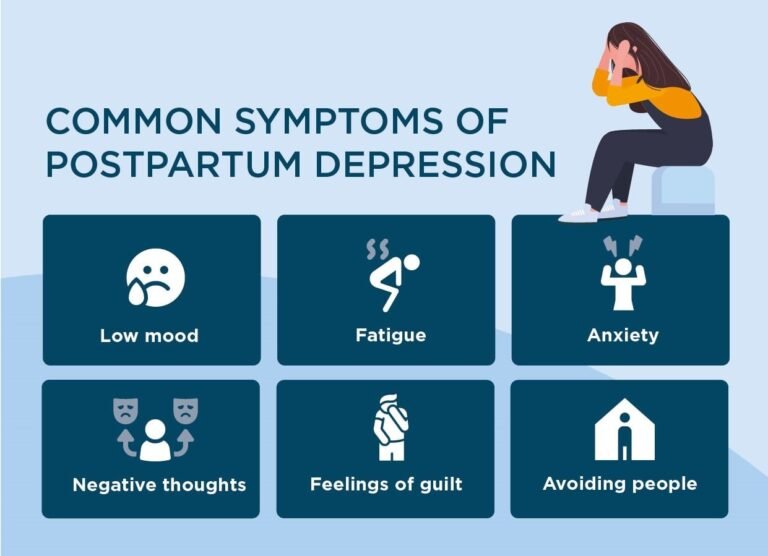
- Postpartum Depression (PPD): A more severe and persistent condition than baby blues, PPD affects approximately 10-15% of postpartum women.Symptoms involve feelings of intense sadness, hopelessness, anxiety, fatigue, and difficulty bonding with the baby. PPD can interfere with daily functioning and requires professional treatment.
- Postpartum Anxiety: Anxiety disorders, including generalized anxiety disorder (GAD), panic disorder, and obsessive-compulsive disorder (OCD), can emerge or worsen postpartum.
- Symptoms may include excessive worry, restlessness, racing thoughts, and physical symptoms such as rapid heart rate and shortness of breath.
- Postpartum Post-Traumatic Stress Disorder (PTSD): PTSD can develop after a traumatic childbirth experience. Traumatic experiences can include emergency C-sections, NICU admissions, or perceived lack of control. Symptoms include flashbacks, nightmares, avoidance behaviors, and hyperarousal.
- Postpartum Psychosis: A rare but serious condition, postpartum psychosis affects approximately 1 in 1,000 women after childbirth. It involves a break from reality, characterized by hallucinations, delusions, paranoia, and rapid mood swings. Postpartum psychosis requires immediate medical attention.
- Identifying the symptoms of postpartum mental health issues is the first step toward seeking help. It’s important to remember that every woman’s experience is unique, and symptoms can vary in intensity and presentation. Some common symptoms include:
- Persistent sadness, hopelessness, or emptiness
- Excessive worry, anxiety, or panic attacks
- Irritability, anger, or restlessness
- Difficulty sleeping or sleeping too much
- Changes in appetite or weight
- Loss of interest or pleasure in activities
- Fatigue or lack of energy
- Difficulty concentrating or making decisions
- Feelings of guilt, worthlessness, or inadequacy
- Fear of not being a good mother
- Withdrawal from friends and family
- Thoughts of harming oneself or the baby
- It’s crucial to distinguish between the baby blues and PPD or other mental health conditions. If symptoms persist for more than two weeks or interfere with daily functioning, seeking professional help is essential.
Contributing Factors challenging postpartum mental health
- Several factors can contribute to the development of postpartum mental health issues :
- 1)Hormonal Changes: The dramatic drop in estrogen and progesterone levels after childbirth can significantly impact mood and emotional well-being.
- 2) Sleep Deprivation: Caring for a newborn often involves disrupted sleep patterns, which can exacerbate mood swings and increase feelings of anxiety and depression.
- Physical Recovery: The physical demands of childbirth and recovery can be overwhelming, especially for women who have had C-sections or other complications.
- Lack of Support: Insufficient social support from family, friends, or partners can increase feelings of isolation and loneliness.
- Past Mental Health History: Women with a history of depression, anxiety, or other mental health conditions are at a higher risk of developing postpartum mental health issues.
- Stressful Life Events: Major life events, such as moving, job loss, or financial difficulties, can increase the risk of postpartum mental health problems.
Birth Trauma: A difficult or traumatic childbirth experience can contribute to PTSD and other mental health challenges.
Coping strategies
- While professional treatment is often necessary for postpartum mental health issues, several coping strategies and self-care practices can help manage symptoms and promote emotional well-being:
- Prioritize Sleep: Aim for at least 7-8 hours of sleep per night. Enlist the help of your partner, family members, or a postpartum doula to care for the baby while you rest.
- Eat a Healthy Diet: Nourish your body with nutrient-rich foods, including fruits, vegetables, whole grains, and lean protein.
- Avoid processed foods, sugary drinks, and excessive caffeine.
- Engage in Regular Exercise: Physical activity can boost mood, reduce stress, and improve sleep. Start with gentle exercises, such as walking or yoga, and gradually increase the intensity as you feel able.
- Practice Relaxation Techniques: Deep breathing exercises, meditation, and progressive muscle relaxation can help calm mind and reduce anxiety.
- Connect with Others: Spend time with supportive friends and family members. Join a new parent support group to connect with other mothers who understand what you’re going through. Make Time for Yourself: Schedule regular activities that you enjoy, such as reading, taking a bath, or listening to music.
- Even short breaks can make a difference in your overall well-being.
- Limit Social Media Use: Excessive social media use can contribute to feelings of inadequacy and comparison. Take breaks from social media to focus on your own well-being.
- Seek Professional Help: Don’t hesitate to reach out to a therapist, other mental health professional. Treatment options include therapy, medication, or a combination of both.
The Importance of Support and Treatment
- Postpartum mental health issues are treatable, and seeking help is a sign of strength, not weakness.
- Effective treatment options are available, including:
- Therapy: Cognitive-behavioral therapy (CBT) and interpersonal therapy (IPT) are two common types of therapy used to treat postpartum depression and anxiety. Therapy can help you identify and change negative thought patterns and develop coping skills.
- Medication: Antidepressants and anti-anxiety medications can be effective in managing symptoms of postpartum depression and anxiety. Talk to your doctor about the risks and benefits of medication.
- Support Groups: Joining a support group can provide a sense of community and reduce feelings of isolation. Support groups offer a safe space to share your experiences and connect with other mothers who understand what you’re going through.
- Inpatient Treatment: In severe cases, such as postpartum psychosis, inpatient treatment may be necessary to stabilize your condition and ensure your safety and the safety of your baby.
- If you suspect that a loved one is struggling with postpartum mental health issues, there are several ways you can offer support:
- Listen without judgment: Create a safe space for her to share her feelings without interruption or criticism.
- Offer practical help: Assist with household chores, childcare, or meal preparation.
- Encourage her to seek professional help: Offer to help her find a therapist, psychiatrist, or support group.
- Validate her feelings: Let her know that her feelings are valid and that she is not alone.
- Be patient: Recovery from postpartum mental health issues can take time. Be patient and supportive throughout the process.
- Take care of yourself: Supporting someone with a mental health condition can be emotionally draining.
- Make sure to prioritize your own well-being and seek support if needed.
- Numerous resources and support networks are available to women experiencing postpartum mental health issues:
- Postpartum Support International (PSI): PSI offers a helpline, online support groups, and a directory of mental health professionals specializing in postpartum mental health.
- National Maternal Mental Health Hotline: 1-833-TLC-MAMA (1-833-852-6262) provides 24/7 free, confidential support for pregnant and new moms.
- The Motherhood Center of New York: Offers individual therapy, support groups, and workshops for pregnant and postpartum women.
- Local hospitals and clinics: Many hospitals and clinics offer postpartum mental health services.
- Your healthcare provider: Your doctor, midwife, or nurse practitioner can provide referrals to mental health professionals.
- Crisis Text Line: Text HOME to 741741 to connect with a crisis counselor.
SOME PERSONAL STORIES OF VICTIM’S
- “I felt so alone and ashamed when I was struggling with postpartum depression. I thought I was the only one who wasn’t enjoying motherhood. It wasn’t until I joined a support group that I realized I wasn’t alone, and that it was okay to ask for help.” – Sarah, a mother who experienced PPD
- “The biggest thing that helped me was realizing that it’s okay not to be okay. It’s okay to ask for help, and it’s okay to admit you are struggling. There’s so much pressure on mothers to appear like they have everything together, but it’s okay to not be perfect.” – Emily, another mother
- “As a healthcare provider, I urge all new mothers to prioritize their mental health. Postpartum mental health issues are real and treatable. Don’t hesitate to reach out for help if you’re struggling.” – Dr.
- Jones, a psychiatrist specializing in postpartum mental health.
Not only postpartum mental health issues,most psychiatric problems in general are the ones which are most often underlooked or ignored in many developing/underdeveloped countries.
- Postpartum mental health issues are a significant concern for many women
- . By understanding the challenges, recognizing the symptoms, and seeking appropriate support and treatment, women can navigate this challenging period and prioritize their emotional well-being.
Remember, you are not alone, and help is available.Some renowned maternal mental health psychiatrist quotesIt’s okay to feel proud of yourself and still know that you have a lot of room to grow. There’s room to grow. Give yourself more grace to grow at your own pace.Motherhood is the greatest thing and the hardest thing.” – Ricki Lake You can love being a mom and still find it really, really difficult. Both things can be true at the same time. Give yourself space to feel all of your emotions without guilt.Self-care is giving the world the best of you, not what’s left of you.” – Katie Reed We hear so much about self-care nowadays but it really is about being able to show up for those that we love in a positive way. We don’t want to give them the left over “scraps.”Addition to the difficulties of raising their children and preserving their health, new moms face postpartum depression. However, good diet also contributes to the improvement of the mother’s mental state. A balanced diet rich in vitamins, minerals, and essential nutrients can support overall mental well-being, especially during the period of postpartum depression.Iron- Iron is very essential after childbirth. For a breastfeeding mother, iron is essential for the proper development and thyroid functioning. Iron is essential for red blood cells production, and transport oxygen. Iron deficiency in women increases the chances of postpartum depression and stress. Therefore, incorporating iron-rich foods into diets is crucial to address the growing concern of post childbirth depression. Omega-3 fatty acid- Breastfeeding mothers should consume omega-3 supplements, as EPA and DHA are crucial for a growing brain. Vitamin D – Vitamin D is essential for the mental wellness of women who are suffering from postpartum depression. Vitamin B12 – Vitamin B is essential for energy metabolism and brain function. Vitamin B12 is essential for the development of red blood cell, energy production, and DNA formation in the babies. Deficiency of Vitamin D can lead to irritability, developmental delays, and poor brain growth. Thus, Vitamin B12 is crucial for postpartum period. Protein- Protein is crucial for tissue repair, muscle recovery, and milk production post-childbirth depression. Iodine- Lactating women, particularly those who don’t consume dairy, often lack sufficient iodine, which is crucial for infant growth and brain development. Chlorine- Chlorine is essential for babies’ brain and nervous system development, and lactating mothers need 550 milligrams daily to meet their baby’s needs. MANAGING POSTPARTUM STRESS WITH RIGHT NUTRITION WITH TRIMACARE PRENATAL TABLET Adequate prenatal nutrition is crucial for the second trimester of pregnancy, as it helps form breast milk and maintains the mother’s health, enabling her to breastfeed without exhaustion. Trimacare pregnancy vitamin supplement provides the necessary nutrients. Trimacare prenatal multivitamin offers tailored nutrition for each trimester, catering to the changing needs of the mother and child holistically, ensuring comprehensive support throughout pregnancy. Trimacare multivitamin tablet is a convenient solution for pregnant women, reducing the need for multiple multivitamin tablets and preventing postpartum stress. Trimacare is the ideal choice for those seeking the best multivitamin tablets for pregnant women.
Summary
Always remember,motherhood is the most pure ,strongest, unconditional one in this universe .
A mother endures pain equivalent to breaking of hundreds of bones at a time and gives birth to a wonderful humanbeing into this earth,Her struggle doesn’t end with this delivery alone,it goes on with post partum period and upbringing of her children upto their adulthood.
A mother is not in anyway less compared to an almighty who suffers but gracefully croses it with smiles.
References
1.pluspluslifesciences.com