
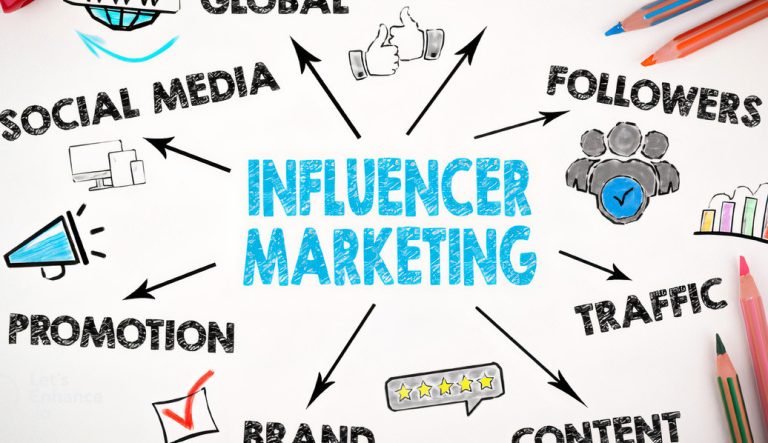
Influencer marketing in 2025 – The Evolution of digital branding
Introduction
The digital world has revolutionized the field of marketing. The use of the Internet, social media, mobile apps, and digital tools has opened up new and effective ways for businesses to reach customers. Traditional advertising has now been replaced by influencer marketing.
Influencer marketing means brand promotion through influencers who have a certain audience and who connect personally with their followers. This strategy builds trust and credibility among consumers.
This marketing model has fully matured in 2025. It not only includes big influencers, but small micro and nano influencers are also making their significant contribution. In this blog, we will learn in detail how influencer marketing has evolved, its advantages, challenges, key trends, and its possible scenario in the coming years.
Evolution of Influencer Marketing
Early phase
Influencer marketing started with the advent of social media platforms. In the early 2000s, platforms like Facebook, Twitter, Instagram and YouTube connected the population digitally. Initially, big companies used to promote their brands using celebrities, such as Bollywood actors-directors, TV celebrities. But due to the democratization of social media, now even common people have become influencers on the basis of expertise in their field.
Rise of Micro and Nano Influencers
Micro-Influencers mean people whose followers range between 10,000 to 100,000. Nano-Influencers have followers between 1,000 to 10,000. The main advantage of these influencers is that their personal connection with the followers is very strong. The demand for them has increased so much in 2025 that even big companies have started including micro and nano influencers in promotional campaigns.
Entry of data-driven strategy
Nowadays companies identify influencers using data analytics on a large scale. AI based tools understand which influencer will be best suited for your brand. These tools analyze the influencer’s engagement rate, follower demographics, and their previous promotional work. This process has moved away from making decisions based on guesswork and has become completely data based.
Key Influencer Marketing Trends in 2025
Dominance of video content
Video content on Instagram Reels, YouTube Shorts and TikTok has emerged as the main medium of brand promotion. Consumers today pay more attention to video content than text posts because it is simple, engaging and instantly understandable. Live streaming also enables real-time interaction, increasing trust.Demand for real and authentic content
Consumers now prefer influencers who review products based on their personal experience rather than just sharing sponsored posts. Authenticity and trust are becoming top priorities.Inclusion of interactive elements
Live Q&A sessions, polls, virtual events, and gamification are being included in influencer strategies. This allows brands to engage directly with consumers and adjust campaigns in real time.Rise of Shoppable Posts and Social Commerce
Platforms like Instagram and Facebook now allow shoppable posts. Consumers can directly purchase products from influencer posts, making the shopping experience seamless and boosting brand sales.Growing influence of AI and machine learning
AI tools analyze follower behavior, post engagement, and brand fit. Chatbots powered by AI also help influencers interact with followers more effectively.
Advantages of Influencer Marketing
Effective Reach to Target Audience – Influencers help brands reach specific audiences, lowering costs and improving effectiveness.
Builds trust and credibility – Followers trust influencers’ recommendations more than traditional advertising.
Cost effectiveness – Influencer campaigns are cheaper than TV ads, print, or other traditional media.
Challenges in Influencer Marketing
Fake followers and engagement – Some influencers rely on bots, lowering brand credibility.
Incompatibility of brand and influencer – If values don’t match, campaigns may fail.
Legal and regulatory aspects – Countries like India mandate #Ad or #Sponsored disclosures. Non-compliance can lead to penalties.
Case Studies: Successful Examples
Nykaa – Used micro and nano influencers to promote beauty products, leading to a significant sales increase.
Zomato – Partnered with food bloggers and influencers who shared personal experiences, increasing credibility and customer base.
Future Prospects
Rise of Virtual Influencers – AI-driven digital personalities like Lil Miquela will gain popularity.
More focus on data privacy – Laws will demand transparency in influencer campaigns.
Full integration of e-commerce – Shoppable posts and live shopping will become standard, with consumers buying directly from social platforms.
Conclusion: Future and Prospects of Influencer Marketing
Growing Importance
Influencer marketing is now one of the most powerful strategies in digital branding. Micro and nano influencers are as valuable as celebrities, since authenticity and credibility matter more than reach.
Consumer Psychology
People trust influencers because of the personal connection. They don’t just see product features but how the product impacts the influencer’s life. This drives purchase decisions.
Technological innovations
AI, AR, and VR will transform influencer marketing, making it more targeted, immersive, and engaging.
Ethics and Responsibility
Clear disclosure (#Ad, #Sponsored) is now mandatory. Consumers can differentiate genuine experiences from fake promotions. Brands must choose influencers based on values, not just popularity.
Global perspective
Influencer marketing is booming worldwide, especially in India with Digital India and rising social media usage. Startups benefit by reaching wide audiences on small budgets.
Future trends
Virtual influencers will dominate.
AI-powered influencer discovery will improve.
Automation will streamline compliance and posting.
Brand-customized platforms will emerge.
Shoppable live streams will make real-time purchasing seamless.
Social Impact
Influencers also spread awareness on issues like mental health, environment, women empowerment, LGBTQ+ rights, and education.
Final thoughts
By 2025, influencer marketing has become tech-driven, ethical, personalized, and socially responsible. It is no longer a trend but an essential part of every digital branding strategy.