
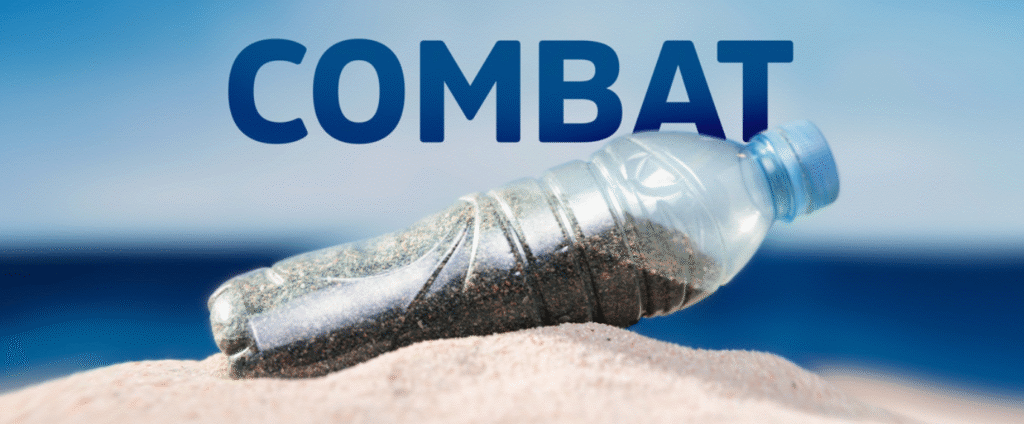
COMBATING PLASTICS
Strategies and prevention
- Introduction: The Plastic Predicament
- In today’s world, plastic is ubiquitous. From packaging our food to forming essential components in electronics, plastics have revolutionized modern life.
- However, this convenience comes at a hazardous price to our livelihood.
- The sheer volume of plastic waste generated globally is staggering, and its impact on our environment and health is profound.
- This blog post aims to shed light on the hazards posed by plastics.
- To provide practical strategies for combating plastic pollution.
- Come, let’s explore the environmental and health consequences of plastic waste, delve into the sources of plastic pollution, and offer actionable steps that individuals and communities can take to reduce their plastic footprint.
The Hazards of Plastics: A Looming Threat
Environmental Impact
- Plastic pollution poses a significant threat to our environment, impacting ecosystems, wildlife, and natural resources. Here are some of the key environmental consequences:
- Ocean Pollution: A vast amount of plastic waste ends up in our oceans, forming massive garbage patches like the Great Pacific Garbage Patch. Marine animals often mistake plastic debris for food, leading to ingestion, entanglement, and starvation. Plastic pollution also damages coral reefs and disrupts marine ecosystems.
- Land Pollution: Plastic waste contaminates soil and groundwater, impacting plant growth and soil health. Improperly disposed plastic can take hundreds or even thousands of years to degrade, accumulating in landfills and littering landscapes.
- Air Pollution: Burning plastic waste releases harmful pollutants into the atmosphere, contributing to air pollution and respiratory problems. Incineration of plastic also generates greenhouse gases, exacerbating climate change.
- Wildlife Harm: Animals across the globe are impacted by plastic waste. Birds and land animals ingest plastics, mistaking them for food, which can lead to malnutrition and death. Marine life face entanglement from plastic nets and other debris.
- Health Risks
- Beyond its environmental impact, plastic pollution also poses direct risks to human health. These risks are diverse and potentially long-lasting:
- Chemical Leaching: Many plastics contain harmful chemicals like BPA, phthalates, and flame retardants.
- These chemicals can leach out of plastic, contaminate food, water, and air, leading to hormonal disruption, reproductive problems in mankind which is an evolving health issue and increased risk of certain cancers.
- Microplastic Ingestion: As plastics break down into smaller pieces called microplastics, they become even more pervasive in the environment.
- Microplastics have been found in drinking water, seafood, and even air, raising concerns about their potential impact on human health.
- Recent studies even showed the presence of plastic like material in a women’s womb..
- Toxicity: The additives in plastics can have toxic effects on human health, causing adverse effects on the liver, kidneys, and other organs. Infants and children are particularly vulnerable to these effects.
Sources of Plastic Pollution: Identifying the Culprits
- Understanding the sources of plastic pollution is crucial for developing effective strategies to combat it. Here are some of the primary contributors to plastic waste:
- Single-Use Plastics: Single-use plastics, such as plastic bags, straws, cutlery, and food packaging, are a major source of plastic waste. These items are designed for one-time use and are often discarded improperly, leading to environmental pollution.
- Packaging: Plastic packaging is used extensively in various industries, including food, beverage, and consumer goods. This packaging often ends up in landfills or becomes litter, contributing to plastic waste.
- Industrial Waste: Industrial processes can generate significant amounts of plastic waste, which can contaminate soil, water, and air if not properly managed.
- Agricultural Practices: Plastic films, mulch, and other agricultural plastics are used in farming to improve crop yields. However, these plastics can break down into microplastics and contaminate soil and water.
- Consumer Habits: Our daily consumption habits play a significant role in plastic waste generation. The choices we make, such as buying products packaged in plastic or using disposable items, contribute to the problem.
COMBATING PLASTICS : A MULTIMODAL APPROACH
- Addressing the challenge of plastic pollution requires a comprehensive and collaborative approach involving individuals, communities, businesses, and governments. Here are some strategies that can be employed:
- Individual Actions
- Reduce Consumption of Single-Use Plastics:
- Carry reusable shopping bags, water bottles, and coffee cups.
- Avoid using plastic straws, cutlery, and food containers.
Choose products with minimal packaging or opt for packaging made from sustainable materials.
- Make your own cleaning products. Many are very simple to formulate using things like vinegar and baking soda.
- Recycle Properly:
- Familiarize yourself with your local recycling guidelines.
- Ensure that recyclable items are clean and dry before placing them in the recycling bin.
- Avoid recycling items that are not accepted by your local recycling program.
- Support Sustainable Businesses:
- Choose to support businesses that are committed to reducing plastic waste.
- Look for companies that use sustainable packaging, offer refill options, or participate in recycling programs.
- Participate in Clean-Up Efforts:
- Join community clean-up events to remove plastic litter from parks, beaches, and waterways.
- Community Initiatives
- Promote Education and Awareness:
- Organize workshops, seminars, and public awareness campaigns to educate people about the hazards of plastic pollution and promote sustainable practices.
- Advocate for Policy Changes:
- Support local and national policies that reduce plastic consumption and promote recycling.
- Encourage businesses to adopt sustainable packaging and reduce their plastic footprint.
- Establish Recycling Programs:
- Implement community recycling programs to collect and process plastic waste.
- Promote composting to reduce the amount of organic waste sent to landfills.
- Business Responsibility
- Reduce Packaging:
- Minimize the amount of packaging used for products.
- Use sustainable packaging materials, such as recycled paper, cardboard, or compostable plastics.
- Offer refill options for products to reduce the need for new packaging.
- Recycle and Reuse:
- Implement recycling programs for employees and customers.
- Use recycled materials in manufacturing processes.
- Design products for durability and longevity to reduce the need for replacement.
- Invest in Research and Development:
- Invest in research and development to find innovative solutions for reducing plastic waste and developing sustainable alternatives to plastics.
- Government Regulations
- Ban or Restrict Single-Use Plastics:
- Implement bans or restrictions on single-use plastics, such as plastic bags, straws, and polystyrene containers.
- Promote Extended Producer Responsibility (EPR):
- Implement EPR schemes to hold producers responsible for the end-of-life management of their products.
- Invest in Recycling Infrastructure:
- Invest in recycling infrastructure to improve recycling rates and reduce plastic waste.
- Enforce Environmental Regulations:
- Enforce environmental regulations to prevent illegal dumping of plastic waste and ensure that businesses comply with environmental standards.
Innovative Solutions: Beyond Traditional methods
- In addition to the strategies mentioned above, several innovative solutions are emerging to address the plastic pollution crisis:
- Bioplastics: Bioplastics are plastics made from renewable resources, such as corn starch, sugarcane, or algae. While not a perfect solution, bioplastics can be biodegradable or compostable, reducing their environmental impact.
- Chemical Recycling: Chemical recycling technologies break down plastic waste into its original building blocks, which can then be used to create new plastics. This process can recycle plastics that are difficult to recycle through traditional mechanical recycling methods.
- Plastic-Eating Microbes: Scientists are discovering microbes that can break down plastics, offering a potential solution for bioremediation of plastic-contaminated environments.
- Ocean Clean-Up Technologies: Several organizations are developing technologies to remove plastic waste from the oceans, such as the Ocean Clean up Project, which uses a system of floating barriers to collect plastic debris.
- Algae Solutions: Algae hold tremendous potential. They are versatile in that they can be used to create biodegradable plastics. They can also be implemented in filtration systems to break down waste or be transformed into biofuel. Algae can also be consumed, thus it can also be a solution to food insecurity.
- Half of all plastic produced is for throwaway items that are used once and then chucked: grocery bags, plastic wrap, disposable cutlery, straws, coffee-cup lids. Take note of how often you rely on single-use plastics and replace them with reusable versions. It only takes a few times of bringing your own totes to the store, garment bag to the dry cleaner, silverware to the office, or travel mug to the coffee shop before it becomes habit.
Each year, close to 20 billion plastic bottles are tossed in the trash. Carry a reusable bottle in your bag, and you’ll save money and plastic—you may also be making the safer choice by sticking with tap water.
Another tip for the kitchen: Choose wooden cutting boards. A recent study published in the journal Environmental Science & Technology found that plastic cutting boards could be a significant source of microplastics in our diet. With proper care, wooden cutting boards are a safer alternative that can last you many years.
- Purchase items secondhand.
The shine of new toys, trinkets, and electronic gadgets wears off fast. Search the shelves of thrift stores, neighborhood garage sales, or online postings for items (plastic and otherwise) that are just as good when previously used. For things you rarely need, consider borrowing before you decide to buy new. Not only will you consume less plastic when you start making these efforts to reduce and reuse more in your life, you’ll save yourself a few bucks, too.
Single-serving yogurts, tiny packages of nuts—consider the product-to-packaging ratio of items you tend to buy often and select the bigger container instead of buying several smaller ones over time. Look for opportunities to buy staples like rice and pasta from bulk containers and store them in jars at home. When you have the option, choose products in nonplastic packaging (e.g. go for the glass jar of honey, not the squeezable honey bear).
An estimated 9 percent of the microplastics in the ocean are coming from synthetic fibers—the kind found in materials like nylon, acrylic, polyester, and fleece. They’re shed from the clothes we wear, and make their way from our laundry machines to wastewater plants, before spreading throughout the environment. When possible, choose clothing and textiles made of natural materials, like cotton and wool, instead.
Plastic pollution is currently the most crucial environmental issue next to global warming, arousing a great deal of concern among nations globally. As a result, they are now in the process of reconsidering their ties with this material.
The goal of plastic-free behavior is not just about our personal actions but also about the bigger picture of protecting the health of our planet and ensuring the future of our generation.
To tackle this existential threat, countries are taking bold actions that lead to a freeing from the plastic strangle.
The only effective strategy for dealing with plastic pollution is implementing plastic-free initiatives.
Countries fighting hard Against plastics
While many countries have some form of legislation to combat plastic pollution, in some countries using a plastic bag can even land you with a hefty chunk of jail time. That’s right, in Kenya, someone caught manufacturing or using plastic bags could face up to four years in prison.
Although this measure might seem extreme to some, the fact is that across sub-saharan Africa alone, a soccer field’s worth of waste is burned or dumped every minute of the day. Amongst the many other health consequences of plastics, burning plastic can disrupt neurodevelopment and negatively impact reproductive and endocrine systems.
But as countries battle to stop the rising tide of plastic waste, a few nations stand out for their innovative and proactive solutions. Today, there are five countries across five continents who are leading the charge to end the era of plastics.
- RWANDA
- CHILE
- FRANCE
- CANADA
- AUSTRALIA.
The path forward: Call for Action
- Combating plastic pollution is a complex challenge that requires a collective effort from individuals, communities, businesses, and governments. By understanding the hazards of plastics, identifying the sources of pollution, and implementing effective strategies, we can reduce our plastic footprint and protect our environment and health.
- It’s essential that we all take action to reduce our reliance on plastics, recycle properly, support sustainable businesses, and advocate for policy changes. By working together, we can create a cleaner, healthier, and more sustainable future for all.
Summary
This blog post has explored the pervasive issue of plastic pollution and its detrimental effects on the environment and human health. We’ve
have discussed about individual actions, community initiatives, business responsibility, and government regulations. Furthermore, we’ve highlighted innovative solutions like bioplastics and ocean clean-up technologies.
The corrective measures requires a collective commitment to reduce plastic consumption, promote recycling, support sustainable practices, and drive policy changes for a cleaner, healthier future.
References
2.www.earthday.org